You Won’t Believe What This Tiny Capital Hides
Valletta, Malta’s sun-drenched capital, packs more culture into its 0.8 square kilometers than most cities do in ten times the space. Wandering its honey-colored streets, I was struck by how every corner tells a story—of knights, sieges, art, and resilience. It’s not just a UNESCO site; it’s a living museum where baroque churches stand beside modern galleries and traditional festas pulse with life. If you’re chasing authenticity, this city delivers in ways you never expected.
The Soul of a Fortress City
Valletta was born from conflict and forged in courage. After the Great Siege of 1565, when the Knights of St. John repelled the Ottoman forces, they resolved to build a city that would never fall again. Designed by the military engineer Francesco Laparelli and overseen by Grand Master Jean de Valette, the capital emerged as a masterpiece of Renaissance urban planning. Its rigid grid layout, uncommon in Europe at the time, allowed for swift troop movement and efficient defense—each street aligned with strategic precision. The city’s high fortification walls, which still encircle Valletta today, were engineered to withstand cannon fire and protect its inhabitants, serving as both shield and symbol of Christian resistance in the Mediterranean.
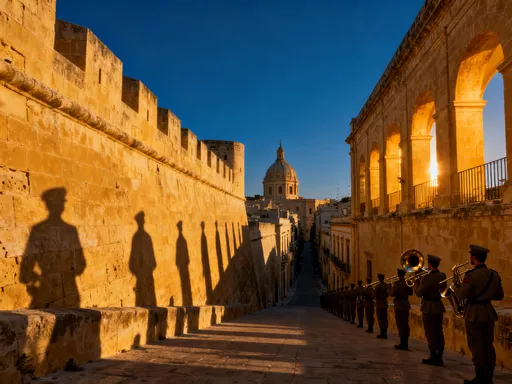
Walking along the bastions at sunset offers a powerful sense of this legacy. The limestone glows amber under the fading light, and the views stretch across the Grand Harbour, where cargo ships and ferries glide silently beneath centuries-old ramparts. These walls are not relics frozen in time—they remain integral to the city’s identity. Locals jog along the Upper Barrakka Gardens, pausing to admire the salute fired daily at noon, a tradition preserved since the days of the Knights. Even modern life respects the rhythm of history here, where ancient gates open onto bustling shopping streets and quiet residential lanes.
What makes Valletta truly remarkable is how its military origins continue to shape the visitor experience. Unlike other historic cities that evolved organically, Valletta was conceived as a unified, forward-thinking urban center. Its wide, straight streets allow sunlight to filter deep into courtyards, and its elevated position provides natural ventilation—a thoughtful blend of form and function. This foresight contributed to its designation as a UNESCO World Heritage Site in 1980, recognizing not only its historical significance but also its enduring relevance as a model of early modern city planning. For travelers seeking depth, understanding Valletta’s foundation as a fortress city unlocks a richer appreciation of every alleyway and piazza.
Sacred Spaces That Speak Volumes
No structure embodies Valletta’s spiritual and artistic soul more than St. John’s Co-Cathedral. Built between 1573 and 1578 by the Knights of Malta, it began as a place of worship for warrior monks who lived by vows of faith and service. From the outside, the cathedral appears modest—its limestone façade simple and unadorned, reflecting the austerity valued by the Order. But step inside, and you enter a world of breathtaking opulence. The interior is a triumph of high Baroque design, with every surface richly decorated: marble inlays cover the floor, depicting the coats of arms of deceased knights; gilded carvings climb the arches; and frescoes spiral across the ceiling, illustrating scenes from the life of St. John the Baptist.
At the heart of the Oratory lies one of the most significant works of Western art: Caravaggio’s The Beheading of Saint John the Baptist. Completed in 1608 during the artist’s brief but transformative stay in Malta, this massive painting is his only signed work—and one of his darkest. Its raw realism, dramatic lighting, and emotional intensity capture the moment of execution with haunting clarity. Standing before it, visitors often fall silent, struck by the weight of both artistic mastery and spiritual gravity. The co-cathedral also houses other works by Caravaggio, including St. Jerome Writing, further cementing Malta’s place in the narrative of European art history.
Beyond this iconic landmark, Valletta is dotted with smaller chapels and parish churches that remain active centers of community life. In narrow lanes like Strait Street or St. Ursula Street, you’ll find quiet sanctuaries where elderly women kneel in prayer and candles flicker beside handwritten notes of gratitude. These moments of devotion are not staged for tourists—they are part of the rhythm of Maltese daily life. Religion in Malta is deeply personal and interwoven with national identity, shaped by centuries of Catholic tradition and resilience through hardship. Attending a weekday Mass or lighting a candle in one of these chapels offers a rare glimpse into the living faith that continues to animate the city.
Where Art Lives Beyond Museums
In Valletta, culture does not reside solely behind glass cases or within gallery walls—it spills into the streets, climbs onto façades, and transforms public spaces into dynamic canvases. This spirit of artistic openness defines the city’s contemporary character. Along Merchant Street and Republic Street, vibrant murals depict Maltese folklore, maritime history, and abstract interpretations of island life. These works, often created during public art festivals, invite passersby to pause and reflect, turning an ordinary walk into a visual journey. Unlike static monuments, street art in Valletta evolves with the seasons, reflecting current themes while honoring local heritage.
One of the city’s most important cultural hubs is Spazju Kreattiv, housed within the historic Admiralty Buildings and managed by the Malta Arts Council in partnership with the European Cultural Foundation. This multidisciplinary space hosts rotating exhibitions of painting, sculpture, and digital media, with a strong emphasis on Maltese and Mediterranean artists. Here, traditional crafts like lace-making and woodcarving are reimagined through modern installations, bridging generations and geographies. Performances, film screenings, and artist talks further animate the space, creating opportunities for dialogue and discovery. What sets Spazju Kreattiv apart is its accessibility—admission is free, and staff welcome curious visitors with warmth and openness.
Seasonal events amplify Valletta’s role as a cultural stage. The Valletta Baroque Festival, held each January, transforms churches, palaces, and courtyards into performance venues for orchestral concerts, operas, and recitals. The acoustics of 17th-century halls enhance the music, while candlelit settings deepen the sense of immersion. Similarly, the Notte Bianca celebration sees the entire city stay awake for one magical night of open museums, live music, dance, and illuminated facades. These experiences remind visitors that Valletta is not a museum piece—it is a city that breathes creativity, where past and present engage in constant conversation.
Festas: When the City Comes Alive
If there is one time to visit Valletta to witness its soul in full bloom, it is during the village festas—religious celebrations that blend devotion, music, color, and community pride. While each Maltese town hosts its own festa, Valletta’s celebrations, particularly the Feast of St. Paul’s Shipwreck in February and Our Lady of Victories in September, are especially vibrant. These events honor patron saints with week-long festivities that begin with solemn church services and culminate in joyous street processions, brass band concerts, and dazzling fireworks displays that light up the harbor sky.
The feast of St. Paul’s Shipwreck commemorates the apostle’s arrival on Malta around 60 AD, as recounted in the Acts of the Apostles. According to tradition, after being shipwrecked on the island, Paul healed the sick and converted the locals—miracles that established Christianity in Malta. Today, this legacy is celebrated with deep reverence. Inside St. Paul’s Shipwreck Basilica, a revered wooden statue of the saint—said to contain a relic of his wristbone—is carried through the streets on a richly decorated float, accompanied by robed clergy, choir singers, and marching bands. Locals line the route, waving handkerchiefs and tossing flowers, while children perch on balconies strung with colorful banners.
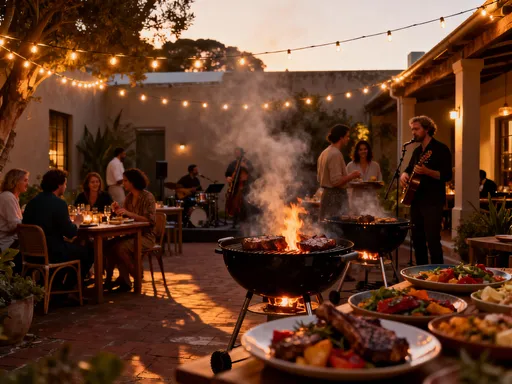
What makes these festas so moving is their authenticity. They are not tourist spectacles but expressions of collective faith and identity. Families spend months preparing—sewing ornate vestments, practicing hymns, and decorating homes with electric lights and paper garlands. The sound of trumpets and drums echoes through stone alleys, and the scent of incense mingles with fried pastizzi from roadside stalls. For visitors, the best way to participate is to observe respectfully from the side streets or upper levels of buildings, where you can absorb the atmosphere without disrupting the procession. Even if you don’t understand every ritual, the emotion is unmistakable: this is a city celebrating its roots, its survival, and its unity.
Cultural Bites: Food as Heritage
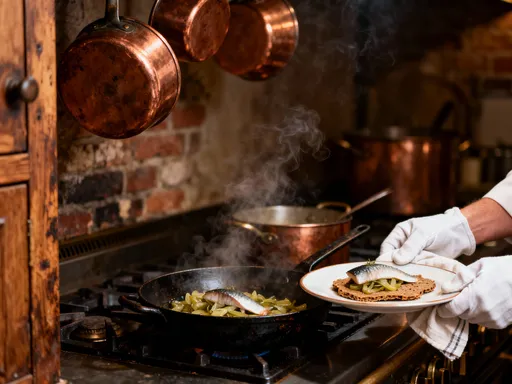
To taste Valletta is to taste history. Maltese cuisine is a tapestry woven from centuries of Mediterranean influences—Phoenician, Arab, Sicilian, French, and British—all layered into dishes that are humble in appearance but rich in story. One of the most beloved street foods is the ftira, a ring-shaped bread stuffed with tuna, capers, tomatoes, and olives. Traditionally eaten during religious feasts, it has become a staple for lunchtime walkers exploring the city. Best enjoyed in a quiet courtyard or seaside bench, each bite connects you to generations of islanders who relied on fresh, local ingredients to sustain their lives.
Another iconic treat is the pastizzi, flaky pastry pockets filled with ricotta or mushy peas. Found in small bakeries like Crystal Palace or Pisellino, these warm, savory snacks cost just a few euros and offer an instant connection to Maltese daily life. Families stop by in the morning for a quick bite; workers take breaks with a pastizzi and a strong coffee; tourists follow locals’ lead, queuing without hesitation. These bakeries are more than food vendors—they are community anchors, where greetings are exchanged, news is shared, and traditions are passed down.
For a deeper culinary experience, try rabbit stew, or fenek, often slow-cooked with wine, garlic, and herbs. Considered Malta’s national dish, it reflects the island’s agricultural past and resourcefulness. Similarly, lampuki pie, made with seasonal dolphin fish caught during autumn migrations, showcases the enduring relationship between Maltese people and the sea. Many restaurants in Valletta, such as Legligin or Noni, prepare these dishes using family recipes, often served in restored townhouses with vaulted ceilings and candlelit tables. Pair your meal with a glass of local wine—Gozo’s Ghajn It-Torki or Delicata’s Blue Label—and you’re not just dining, you’re participating in a living tradition. Food here is not merely sustenance; it is memory made edible.
Off-the-Beaten-Path Encounters
Beyond the postcard views and main attractions, Valletta reveals its true character in quiet, unexpected moments. Turn down a side alley off Merchants Street, and you might hear the soulful strains of għana, a traditional form of Maltese folk singing. Passed down orally for generations, għana is often performed spontaneously in small cafés or cultural centers, where elderly men gather to sing poetic verses about love, loss, and island life. These sessions are not staged for tourists—they happen when the mood strikes, making them all the more precious.
Another hidden gem is the Palazzo Falson Historic House Museum, a 15th-century townhouse that offers a glimpse into aristocratic island life. Unlike grand palaces elsewhere, this intimate space feels lived-in, with original furniture, antique collections, and personal artifacts on display. A volunteer guide might share stories of past residents or offer a glass of Maltese wine as part of the tour—an unexpected gesture of hospitality that lingers in memory. Similarly, the Mdina Glass Factory, though technically just outside Valletta, offers hands-on demonstrations of glassblowing techniques that have changed little over decades, allowing visitors to watch artisans shape molten glass into delicate vases and ornaments.
For those interested in traditional crafts, the island’s lace-making tradition—known as beżonn—survives in small workshops and cultural initiatives. In a quiet room within the Valletta Design Cluster, women demonstrate the intricate needlework that once adorned wedding dresses and church vestments. Once a widespread domestic skill, it is now preserved by dedicated artisans and cultural organizations. Observing their careful hand movements, you gain appreciation not just for the craft, but for the patience and continuity it represents. These offbeat experiences do not fill guidebooks, but they offer something more valuable: a sense of connection, intimacy, and respect for a culture that cherishes its heritage.
Planning Your Cultural Journey
To truly appreciate Valletta, timing and approach matter. The city is best explored during the shoulder seasons—spring (March to May) and autumn (September to November)—when temperatures are mild, crowds are thinner, and the light enhances the golden hue of the limestone. Early mornings and late afternoons are ideal for walking, as the midday sun can be intense, especially in summer. Start your day at City Gate, then follow a loose route through St. John’s Co-Cathedral, the Grand Master’s Palace, and down to the waterfront at Barrakka Lift, allowing time to wander without pressure.
Valletta is compact and entirely walkable, but comfortable shoes are essential—its streets are paved with smooth stone tiles that can be slippery when wet. Public transportation, including buses from across Malta, terminates near City Gate, making access easy. Once inside, rely on footpaths and the free Valletta Shuttle, which loops between key points. For updated information on exhibitions, concerts, and festas, visit the Valletta Contemporary website or pick up a printed guide at the tourist information center near Republic Street.
Respectful engagement enhances the experience for everyone. When visiting churches, dress modestly—shoulders and knees covered—and speak in low tones. Support local artisans by purchasing handmade goods at craft markets or independent boutiques rather than generic souvenirs. Embrace the Maltese pace of life: meals unfold slowly, conversations meander, and punctuality is flexible. This is not inefficiency—it is a cultural rhythm rooted in relationship and presence. By slowing down, you align yourself with the city’s heartbeat and open the door to more meaningful encounters.
Consider extending your stay to include day trips to nearby sites like the Three Cities across the harbor, the ancient capital of Mdina, or the Blue Grotto in Ħaġar Qim. These excursions enrich your understanding of Malta’s layered history and diverse landscapes, but Valletta remains the emotional and cultural core. Its size belies its impact—every visit peels back another layer, revealing stories that resonate long after you’ve left.
Valletta isn’t just a destination; it’s an invitation to slow down and truly see. Its cultural richness isn’t performative—it’s lived, breathed, and passed down. Whether you're standing beneath a 400-year-old dome or sharing a smile with a shopkeeper who remembers your name, the city reveals itself in layers. Come for the sights, stay for the soul.