You Won't Believe These Secret Spots in Jeju's Wild Terrain
Jeju Island isn’t just about Hallasan and coastal trails—its real magic lies in the unexpected. Hidden lava tubes, quiet volcanic craters, and rugged coastlines few ever see shape a landscape like no other. I wandered off the usual path and found a side of Jeju that feels untouched, raw, and deeply peaceful. This is more than a getaway—it’s a journey into the island’s geological soul. While most visitors follow well-trodden routes to famous peaks and seaside cafés, there are deeper layers waiting to be discovered—places where the island’s volcanic history speaks through stone, wind, and silence. For those willing to look beyond the brochures, Jeju reveals a wilder, more intimate beauty.
The Island That Time Forgot
Jeju Island, rising from the waters of the East China Sea, is the product of ancient volcanic fury. Formed over millions of years by repeated eruptions from Hallasan, South Korea’s highest peak, the island is a living museum of volcanic activity. Its entire terrain is shaped by lava flows, tuff rings, and basalt columns, earning it UNESCO Global Geopark status in 2010. Unlike tropical islands defined by white sand and palm trees, Jeju’s identity is rooted in its rugged, otherworldly geology. The land itself tells a story of fire, cooling, erosion, and rebirth.
While many tourists associate Jeju with beaches and resorts, its true distinction lies beneath the surface—in the way the ground cracks with fissures, rises into symmetrical cones called oreums, and dips into craters filled with mist. These features are not just scenic; they are scientific marvels that reveal how volcanic islands evolve. The porous lava rock retains water, feeding underground aquifers that sustain the island’s agriculture and freshwater supply. This unique hydrology supports lush greenery despite the rocky soil, creating a paradox of fertility emerging from destruction.
Beyond the postcard views of Seongsan Ilchulbong or Manjanggul Cave, countless lesser-known formations remain quietly tucked away. Small oreums dot the countryside, often unnamed on international maps. Quiet valleys hold remnants of ancient lava tunnels, partially collapsed and overgrown. These places don’t appear on every itinerary, but they offer a purer sense of place. They remind visitors that Jeju is not merely a vacation spot, but a dynamic landscape still shaped by natural forces. For travelers seeking authenticity, these overlooked corners provide a deeper connection to the island’s essence.
Beyond Hallasan: Exploring Jeju’s Otherworldly Landscapes
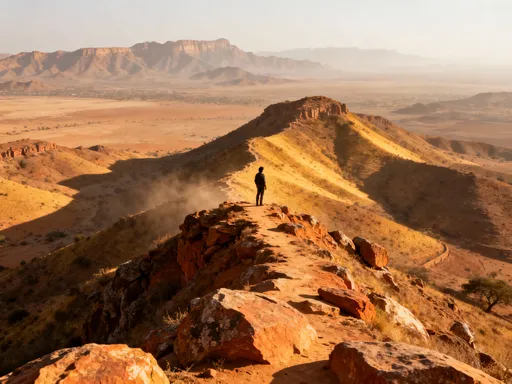
Hallasan dominates Jeju’s skyline and its reputation, drawing hikers from across the country each autumn for its famed sunrise views. Yet for those willing to venture beyond its slopes, the island offers equally dramatic, far less crowded alternatives. The network of olle trails—over 400 kilometers of walking paths encircling Jeju—leads to stretches of coastline and highland plateaus where the terrain feels untouched. One such route, Olle Trail 18, winds along the eastern cliffs near Seongsan, offering panoramic views of the sea crashing against black rock formations.
While Seongsan Ilchulbong is celebrated for its sunrise, the quieter eastern ridges provide a more contemplative experience. Here, the wind carries the scent of wild mugwort and sea salt, and the only sounds are waves below and the rustle of grass on volcanic soil. These elevated paths trace the edge of ancient lava flows, where hardened rock has been sculpted by centuries of weather. The landscape shifts subtly with every turn—from open meadows to narrow stone corridors, each revealing a new perspective on the island’s complexity.
What sets these remote trails apart is not just their beauty, but their ability to foster presence. Without crowds or signage every few meters, hikers are invited to slow down, observe, and listen. There’s a sense of discovery in rounding a bend and finding a hidden cove or an untouched crater rim. These spaces encourage mindfulness, turning a simple walk into a meditative journey. For families or solo travelers alike, such paths offer a chance to reconnect—with nature, with companions, and with oneself.
Lava Tubes and Underground Mysteries
One of Jeju’s most remarkable geological features lies beneath the surface—its vast network of lava tubes. Formed when the outer layer of molten lava cooled and solidified while the inner flow continued, these natural tunnels stretch for kilometers under the island. Manjanggul Cave, the longest and most accessible, extends over 8 kilometers, though only a 1-kilometer section is open to the public. Inside, the air is cool and still, the walls smooth and glassy in places, marked by ancient lava drips and flow lines.
Walking through Manjanggul feels like stepping into the island’s memory. The cave preserves evidence of eruptions that occurred over 200,000 years ago, including lava stalactites, lava bridges, and even fossilized tree roots that once reached down from above. These formations are fragile, shaped by conditions that cannot be recreated. The preserved lava column near the exit, standing over 7 meters tall, is one of the largest in the world—a rare testament to the power and precision of volcanic processes.
To avoid the midday rush, visitors are advised to arrive early in the morning or later in the afternoon. During peak seasons, tour buses arrive in waves, filling the narrow walkways with noise and congestion. By choosing quieter hours, travelers gain a more immersive experience, with time to pause, reflect, and absorb the stillness. Flashlights are not needed—the path is well-lit—but the dim glow enhances the sense of being underground, far from the surface world.
Responsible visitation is crucial. Touching the walls can damage delicate mineral deposits, and stray footsteps can erode the soft floor. Staying on marked paths and refraining from leaving any trace ensures that these ancient spaces remain intact. For children and adults alike, the cave offers a rare opportunity to witness Earth’s inner workings firsthand—a natural classroom that teaches geology through experience.
Secret Craters and Hidden Valleys
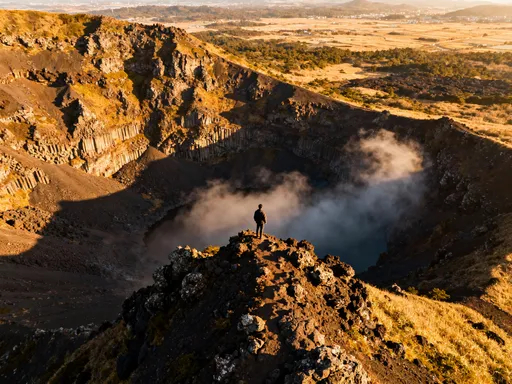
While some oreums on Jeju are developed with staircases and viewing platforms, others remain in their natural state, accessible only by footpaths and local knowledge. Gomugol Oreum, located in the southeastern part of the island, is one such hidden gem. Its crater is partially filled with vegetation, creating a bowl-like sanctuary that shelters birds and wildflowers. Unlike the symmetrical cones often photographed, Gomugol has an irregular shape, shaped by multiple eruption phases, giving it a more organic, untamed presence.
Another lesser-known site is Yongnuni Oreum, named for its resemblance to a dragon’s nose when viewed from certain angles. This elongated volcanic cone rises gently from the coastal plain, offering sweeping views of both land and sea. The trail to the summit is unpaved and unmarked in places, requiring modest navigation skills. But the reward is solitude—a quiet space where the wind moves freely and the horizon stretches uninterrupted.
These quiet craters differ from their more famous counterparts not only in accessibility but in atmosphere. Without crowds, they feel sacred—not in a religious sense, but as places of natural reverence. The stillness invites reflection, and the open skies create a sense of expansiveness often missing in urban life. For mothers traveling with children, such sites offer safe yet adventurous hikes where kids can explore freely within sight.
Timing enhances the experience. Early morning visits bring soft light and cooler temperatures, ideal for walking. On misty days, the craters seem to float above the landscape, their edges blurred by fog. After rainfall, the grass turns vivid green, and small streams appear in the valleys below. These moments reveal Jeju’s ever-changing character, reminding visitors that nature operates on its own rhythm, unaffected by schedules or expectations.
Coastal Wonders Only Locals Know
Jeju’s coastline is a study in contrasts—where the sea meets volcanic rock, it carves dramatic formations that few tourists ever see. Along the southeastern shore, basalt columns rise like organ pipes from the cliffs, shaped by the slow cooling of lava. In some areas, wave action has hollowed out sea caves, their interiors glowing with reflected blue light when the sun hits at the right angle. These sites are not hidden because they are inaccessible, but because they lack the infrastructure that draws mass tourism.
One such stretch lies near the village of Gudong, where a quiet path leads to a series of tidal pools and rock arches. Local fishermen still use this area, mending nets on the shore and collecting shellfish at low tide. Their presence adds a human dimension to the landscape, showing how people have lived in harmony with this rugged terrain for generations. Small shrines near the water’s edge honor the sea gods, reflecting the islanders’ deep respect for nature.
For travelers without a car, reaching these coastal gems is still possible. Regional buses serve many rural areas, and bike rentals are available in towns like Seogwipo and Jeju City. Cycling along the coastal roads offers flexibility and a slower pace, allowing riders to stop at unmarked viewpoints or small markets selling freshly caught fish. Some trails connect directly to the olle paths, creating loop routes that combine sea, land, and village experiences.
These journeys are not about ticking off destinations, but about immersion. Watching an elderly woman gather seaweed at dawn, hearing the crash of waves in a sea cave, or tasting grilled fish at a family-run stall—these moments form the heart of authentic travel. They connect visitors to the rhythm of island life, where the terrain shapes daily routines and traditions endure across generations.
How to Travel Deeper, Not Just Farther
In an age of curated travel content and crowded hotspots, the most meaningful journeys often begin with stepping away from the expected. On Jeju, this means shifting from checklist tourism to intentional exploration. Instead of rushing from one famous site to the next, travelers can choose depth over distance. Starting early in the day allows access to popular trails before the crowds arrive. Visiting during the shoulder seasons—April to May or September to October—brings milder weather and fewer tourists, enhancing the sense of discovery.
Local knowledge is invaluable. Park rangers, guesthouse hosts, and shop owners often know of quiet paths, hidden viewpoints, or upcoming community events. A simple conversation can lead to an unexpected invitation or a recommendation that transforms a trip. Official visitor centers provide detailed maps and trail conditions, helping travelers plan responsibly. These resources are especially helpful for families or those unfamiliar with hiking, ensuring safety without sacrificing adventure.
Slow travel also means allowing time for stillness. Sitting on a rock and watching the tide change, sketching a crater in a notebook, or sharing a meal with locals—these acts deepen connection. They move travel beyond consumption and into experience. For women in their 30s to 50s, often balancing caregiving and personal aspirations, such moments offer renewal. They are not escapes from responsibility, but affirmations of self—reminders that curiosity and wonder remain vital at every stage of life.
Technology can support this approach. GPS-enabled maps, offline trail guides, and translation apps help navigate language barriers and unfamiliar terrain. But the best tools remain patience, openness, and respect. By approaching Jeju not as a destination to conquer, but as a place to understand, travelers align themselves with its true spirit.
Protecting Jeju’s Fragile Beauty
As Jeju’s popularity grows, so does the pressure on its natural spaces. Overcrowding at major sites leads to soil erosion, litter, and disturbance to wildlife. Trails become widened by foot traffic, and sensitive plant species are trampled. The very features that draw visitors—craters, lava tubes, coastal cliffs—are also the most vulnerable. Without care, the island’s unique ecosystems could degrade, diminishing the experience for future generations.
Every traveler has a role in preservation. Simple actions make a difference: staying on marked paths prevents damage to fragile vegetation, packing out all waste ensures cleanliness, and avoiding loud noises respects both nature and other visitors. Feeding animals, carving names into rock, or removing stones may seem harmless, but collectively, such acts erode the integrity of the landscape. Education is key—many visitors simply don’t realize the impact of their behavior.
Local initiatives are working to protect Jeju’s heritage. Volunteer clean-up events, eco-certification programs for accommodations, and guided conservation tours raise awareness and foster stewardship. Some trails now use timed entry systems to manage flow, and shuttle services reduce parking congestion. These efforts show that sustainability and accessibility can coexist.
For families, teaching children to respect nature begins with example. Explaining why we don’t pick flowers or leave snacks for birds turns a trip into a lesson in responsibility. Seeing a child carefully step around a moss-covered rock or pause to watch a bird without disturbing it is a quiet victory—one that carries forward. Preserving Jeju isn’t just about rules; it’s about cultivating a mindset of care.
Conclusion
Jeju’s true character isn’t in guidebooks—it’s in the silent craters, the wind-carved cliffs, and the paths less taken. By choosing depth over checklist tourism, we don’t just see the island—we feel it. Let the terrain guide you, and you’ll discover a Jeju few ever know. This is not a place to rush through, but to move through with intention, respect, and wonder. In its volcanic silence, there is clarity. In its hidden valleys, there is renewal. And in its untouched corners, there is a reminder that the most meaningful journeys are not measured in miles, but in moments of connection. Whether you’re walking a cliffside trail at dawn or standing at the edge of a quiet crater, Jeju offers a space to breathe, to reflect, and to remember what it means to be present. Let that be your guide, and the island will reveal itself, one step at a time.