You Won’t Sleep Right If You Keep Making These Mistakes
We’ve all been there—tossing and turning at 2 a.m., staring at the ceiling, wondering why sleep feels impossible. I used to think I just needed a fancier pillow or quieter room. But after years of restless nights, I realized the real problem wasn’t my bed—it was my habits. Turns out, small daily choices quietly sabotage sleep quality in big ways. From screen time to caffeine timing, these hidden pitfalls are more common than you think. Let’s talk about what actually keeps us awake—and how to fix it for good.
The Hidden Enemies of Sleep: Everyday Habits That Backfire
Many people assume that if they’re not sleeping well, the issue must be obvious—stress, a noisy environment, or an uncomfortable mattress. While these factors can play a role, the deeper causes are often less visible. They live in the routines we don’t question: answering emails in bed, eating dinner late, or hitting snooze multiple times in the morning. These behaviors feel normal, even productive, but they quietly undermine the body’s natural ability to wind down and restore itself.
Sleep is regulated by the circadian rhythm, a 24-hour internal clock that responds to light, food, activity, and temperature. When daily habits conflict with this rhythm, sleep quality suffers. For example, exposure to bright light in the evening signals to the brain that it’s still daytime, delaying the release of melatonin—the hormone that prepares the body for sleep. Similarly, eating a heavy meal close to bedtime forces the digestive system to stay active when it should be slowing down. Over time, these disruptions accumulate, leading to fragmented sleep, difficulty falling asleep, and unrefreshing rest.
Consider the common scenario of working late at a desk. A mother finishes helping her children with homework, then checks work emails until 11 p.m. She believes she’s being efficient, but her brain remains in alert mode. The combination of mental stimulation and screen exposure makes it harder to transition into rest. Even if she falls asleep eventually, the quality is often poor. The same applies to weekend routines—sleeping in two hours later on Saturday might feel like a treat, but it resets the body clock in a way that makes Sunday night nearly unbearable.
What makes these habits so dangerous is that they’re socially accepted and often encouraged. Society glorifies being busy, connected, and productive at all hours. Yet, the body doesn’t adapt to this pace. It still relies on consistent cues to know when to wake, when to eat, and when to sleep. When those cues are inconsistent or misleading, the result is chronic sleep disruption. Recognizing these patterns is the first step toward change—not because the habits are morally wrong, but because they conflict with biology.
Why Your Phone Is the Ultimate Sleep Killer
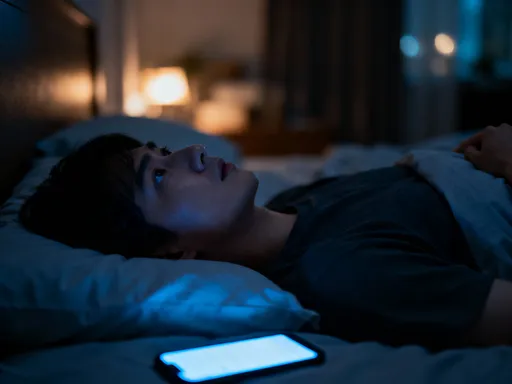
If there’s one modern invention that has done the most damage to sleep, it’s the smartphone. Not because it’s inherently evil, but because of how we use it—and how it uses us. The average person spends over two hours a day on their phone after dinner, often right up until lights out. What starts as “just checking the weather” or “a quick scroll” can easily stretch into 30 or 60 minutes of continuous engagement. And each minute spent staring at that glowing screen comes at a cost.
The primary culprit is blue light, a type of short-wavelength light emitted by LED screens. Unlike warm, yellowish light from lamps or candles, blue light closely resembles daylight. When it enters the eyes in the evening, it tricks the brain into thinking it’s still morning. This suppresses melatonin production, sometimes by as much as 50%, according to research from Harvard Medical School. The result? A delayed sleep onset—sometimes by an hour or more—without any obvious reason.
But the problem goes beyond light. The content we consume on our phones is designed to be stimulating. Social media feeds are curated to keep us engaged, with endless updates, emotional triggers, and unpredictable rewards. A single notification can spark curiosity, anxiety, or excitement—none of which are conducive to relaxation. Even reading news articles or watching videos activates cognitive processing, making it harder for the mind to settle. The brain, once engaged, takes time to unwind, much like trying to stop a spinning wheel.
Consider the case of a woman in her early 40s who believed she was getting enough sleep. She went to bed around 10:30 p.m. but didn’t put her phone down until 11:15. She’d lie in bed scrolling through recipes, parenting forums, and old photos. She rarely remembered falling asleep. After tracking her habits for a sleep study, she realized she was spending 45 minutes each night in what researchers call “sleep procrastination”—delaying rest despite being physically tired. When she committed to a no-screen rule one hour before bed, her sleep efficiency improved within a week.
Breaking the phone habit requires more than willpower. It demands awareness and replacement. The brain forms strong associations between bedtime and phone use, making the behavior automatic. To change it, new routines must be built—reading a physical book, journaling, or listening to calming music. The goal isn’t to eliminate phone use entirely, but to create a buffer between digital stimulation and sleep.
The Caffeine Trap: It’s Not Just About Coffee
Caffeine is one of the most widely consumed psychoactive substances in the world, and for good reason—it works. It boosts alertness, improves focus, and can even enhance physical performance. But its effects linger far longer than most people realize. The average half-life of caffeine is about five hours, meaning that if you drink a cup of coffee containing 200 milligrams of caffeine at 4 p.m., you still have about 100 milligrams in your system at 9 p.m. For some individuals, especially those who are more sensitive or metabolize caffeine slowly, the effects can last even longer.
The misconception that caffeine is only found in coffee is another part of the problem. It’s also present in black and green tea, energy drinks, soda, chocolate, and even some over-the-counter medications like pain relievers and weight loss supplements. A seemingly innocent afternoon soda or after-dinner chocolate dessert could be contributing to nighttime wakefulness. This concept—called “stealth caffeine”—means people often consume more than they think, especially when combining multiple sources throughout the day.
Timing matters just as much as quantity. Drinking coffee at noon may not affect everyone, but having it at 3 or 4 p.m. can interfere with sleep onset, particularly for those who are already struggling with insomnia or stress. The body’s ability to clear caffeine declines with age, so a habit that didn’t affect someone in their 20s might become problematic in their 40s or 50s. Women, especially during certain phases of the menstrual cycle or while using hormonal contraceptives, may also experience heightened sensitivity.
One effective strategy is to establish a personal caffeine cutoff time—typically six hours before bedtime. For someone who sleeps at 10 p.m., that means no caffeine after 4 p.m. This isn’t a rigid rule for everyone, but a starting point for experimentation. Keeping a log of caffeine intake and sleep quality can reveal patterns that might otherwise go unnoticed. Switching to decaf tea in the afternoon, choosing water over soda, or savoring dark chocolate earlier in the day are small changes that can make a meaningful difference.
It’s also important to recognize that caffeine doesn’t just delay sleep—it can reduce total sleep time and decrease sleep quality. Even if someone falls asleep, the presence of caffeine in the system can lead to lighter, more fragmented sleep with fewer deep and REM cycles. Over time, this adds up to chronic sleep debt, which affects mood, memory, and overall health. The solution isn’t necessarily to quit caffeine altogether, but to use it more strategically—like a tool, not a crutch.
Alcohol’s Dirty Little Sleep Secret
Many people reach for a glass of wine or a beer in the evening to “unwind” or “help them sleep.” It’s a socially accepted ritual, often promoted as part of self-care. The truth, however, is far less comforting. While alcohol may make you feel drowsy and help you fall asleep faster, it significantly disrupts the quality of sleep once you’re under. The result is not restful, restorative rest—but something closer to a chemically induced daze.
Alcohol interferes with the natural architecture of sleep, particularly the REM stage. Rapid Eye Movement sleep is crucial for emotional regulation, memory consolidation, and cognitive processing. When alcohol is present, REM sleep is suppressed, especially in the first half of the night. As the body metabolizes the alcohol, there’s often a rebound effect—increased awakenings, vivid dreams, or even insomnia in the second half of the night. This creates a pattern of broken, non-refreshing sleep that leaves people feeling tired despite having spent enough time in bed.
Think of it like this: healthy sleep is like a continuous, smooth journey through different stages. Alcohol turns that journey into a series of disconnected segments—like driving a car that keeps stalling. The sleep may look normal from the outside—eyes closed, body still—but internally, the brain isn’t getting the full cycle it needs. One common analogy is that alcohol makes sleep “Swiss cheese”—full of holes and gaps that undermine its restorative power.
Other factors contribute to this effect. Alcohol is a diuretic, meaning it increases urine production and can lead to nighttime bathroom trips. It also relaxes the muscles in the throat, which can worsen snoring or sleep apnea, further fragmenting sleep. And while it may initially reduce anxiety, the withdrawal effect later in the night can trigger a surge of stress hormones like cortisol, making it harder to stay asleep.
The irony is that many people don’t realize alcohol is the culprit. They wake up tired and assume they didn’t sleep enough or that stress is to blame. They don’t connect the evening drink to their morning fatigue. Reducing or eliminating alcohol in the hours before bed—especially for those with existing sleep difficulties—can lead to dramatic improvements. Some notice deeper sleep within just a few nights. The key is not to view alcohol as a sleep aid, but as a disruptor—one that may feel helpful in the short term but harms long-term rest.
Inconsistent Schedules: The Weekend Hangover Effect
Life gets busy. During the week, routines are often dictated by work, school, and family obligations. Then comes the weekend—a chance to sleep in, stay up late, and “catch up” on rest. But what feels like recovery can actually create a new problem: social jet lag. This term refers to the mismatch between a person’s biological clock and their social schedule. When bedtime and wake time shift significantly from one day to the next, the body struggles to adjust, much like it would after flying across time zones.
For example, someone who goes to bed at 10 p.m. and wakes at 6 a.m. during the week might stay up until 1 a.m. and sleep until 9 a.m. on Saturday. That three-hour shift may not seem extreme, but it’s enough to confuse the circadian system. The brain begins to expect later sleep and wake times, making it harder to return to the weekday schedule by Sunday night. This phenomenon is sometimes called the “Monday morning hangover”—not from alcohol, but from disrupted rhythms.
The consequences go beyond difficulty falling asleep. Inconsistent sleep schedules are linked to increased fatigue, reduced concentration, mood swings, and even metabolic changes that affect weight and insulin sensitivity. A study published in the journal Current Biology found that people with irregular sleep patterns had higher body mass index (BMI) and poorer glucose control, regardless of total sleep duration. This suggests that timing and consistency matter just as much as the number of hours slept.
Children and teenagers are especially sensitive to schedule changes, but adults are not immune. The brain thrives on predictability. When sleep and wake times vary by more than an hour or two, it becomes harder to fall asleep, stay asleep, and wake up feeling refreshed. The body never fully adjusts, so it’s always playing catch-up.
The solution isn’t to eliminate weekend flexibility entirely, but to minimize extreme shifts. Sticking to a wake time within an hour of the weekday schedule—even on weekends—can help maintain rhythm. If staying up late is unavoidable, it’s better to get up at the usual time and take a short nap later, rather than sleeping in and disrupting the cycle. Consistency doesn’t mean rigidity; it means honoring the body’s need for regular cues. Over time, this leads to more stable energy, better mood, and deeper, more reliable sleep.
What You Eat (and When) Shapes Your Sleep
Diet and sleep are deeply connected, yet this relationship is often overlooked. Most people focus on what they eat during the day for energy or weight management, but evening food choices play a critical role in nighttime rest. Eating a large, heavy meal within two hours of bedtime forces the digestive system to work when it should be slowing down. This can lead to discomfort, acid reflux, and restlessness—all of which interfere with sleep onset and quality.
Spicy foods are another common trigger. They can raise body temperature and cause heartburn, both of which make it harder to fall asleep. Similarly, high-sugar meals or snacks in the evening lead to blood sugar spikes followed by crashes. These fluctuations can trigger the release of stress hormones like adrenaline and cortisol, which promote wakefulness. A person might fall asleep quickly after a sugary dessert but wake up an hour later feeling alert or anxious—unaware that their snack is the cause.
On the other hand, certain foods can support sleep when eaten at the right time. Foods rich in magnesium—such as leafy greens, nuts, seeds, and whole grains—help regulate the nervous system and may promote relaxation. Tryptophan, an amino acid found in turkey, dairy, eggs, and bananas, is a precursor to serotonin and melatonin, the brain chemicals involved in sleep regulation. While no single food is a magic sleep aid, including these nutrients in evening meals can create a more favorable environment for rest.
Timing is just as important as content. Experts generally recommend finishing the last full meal at least two to three hours before bed. If hunger strikes later, a small, balanced snack—like a piece of whole-grain toast with almond butter or a banana with a handful of walnuts—can satisfy without overloading the digestive system. The goal is to avoid both hunger and fullness at bedtime, finding a middle ground that supports comfort and stability.
Hydration also plays a role. Drinking too much fluid in the evening can lead to nighttime bathroom trips, while drinking too little can cause dehydration, which may contribute to leg cramps or dry mouth. Sipping water throughout the day and reducing intake in the two hours before bed is a practical approach. Herbal teas like chamomile or passionflower are often used as natural relaxants, though their effects vary from person to person. The key is to treat evening eating as part of the wind-down process, not an afterthought.
Fixing the Foundations: Building a Realistic Sleep-Healthy Lifestyle
Improving sleep isn’t about perfection—it’s about progress. The goal isn’t to eliminate every potential disruptor at once, but to build sustainable habits that support rest over time. Trying to change everything overnight often leads to frustration and burnout. A more effective approach is to focus on one or two key areas, master them, and then gradually add new practices.
Start with a screen curfew. Choose a time—ideally one hour before bed—to turn off phones, tablets, and computers. Replace that time with a calming activity: reading a book, listening to soft music, practicing gentle stretching, or writing in a journal. The ritual matters as much as the action. Over time, the brain begins to associate these behaviors with sleep, making it easier to wind down.
Next, consider caffeine timing. Identify your personal cutoff—perhaps 2 p.m. or 3 p.m.—and stick to it. Switch to decaf or herbal tea in the afternoon. Keep a log for a week to track how this change affects your energy and sleep. You may find that you don’t need that late-afternoon boost as much as you thought.
Optimize your sleep environment. A cool, dark, and quiet room supports better sleep. Use blackout curtains, a white noise machine, or earplugs if needed. Keep the bedroom for sleep and intimacy only—avoid working, eating, or watching TV in bed. This strengthens the mental association between the bed and rest.
Establish a consistent sleep schedule. Go to bed and wake up at roughly the same time every day, even on weekends. Use an alarm if necessary. If you’re not sleepy at bedtime, don’t force it. Get up and do something quiet until drowsiness returns. This prevents the brain from associating the bed with frustration.
Finally, practice self-compassion. Change takes time. There will be nights when old habits resurface—when the phone gets picked up, or a late meal is unavoidable. That’s okay. What matters is awareness and return, not perfection. Each small step contributes to a larger shift in well-being. Over weeks and months, these habits compound, leading to deeper sleep, clearer thinking, and more stable energy.
Sleep Isn’t Luxury—It’s the Base Layer of Health
Sleep is not a luxury. It’s not something to be earned or sacrificed for productivity. It is, in fact, the foundation of health—a biological necessity as vital as food, water, and air. Every system in the body relies on quality rest to function properly. The immune system repairs itself, the brain consolidates memories, and the heart regenerates. When sleep is compromised, so is everything else.
The good news is that most sleep problems are not caused by disease or destiny. They are the result of habits—choices made every day, often without thought. The power to change lies not in dramatic overhauls, but in awareness and small, consistent actions. You don’t need a perfect routine to sleep better. You need to understand the patterns that are holding you back and make room for better ones.
Improving sleep is an act of self-respect. It’s a way of saying that your well-being matters. It’s not about following rigid rules or achieving eight hours every single night. It’s about creating conditions that allow rest to come naturally. When you stop fighting your biology and start working with it, sleep follows. And with better sleep comes greater clarity, resilience, and joy in everyday life. Once you see the patterns, you can change them. And rest, at last, becomes possible.