How I Stayed Strong During Pregnancy — And Why Exercise Made All the Difference
Pregnancy changes everything — your body, energy levels, even your emotions. I used to wonder if working out was safe, but after trying it under my doctor’s guidance, the results shocked me. More stamina, less swelling, better sleep. Exercise didn’t just help me feel like *me* — it prepared my body for labor in ways I never expected. This isn’t about intense training; it’s about smart, safe movement that supports both you and your baby.
The Real Fears: Why So Many Moms Avoid Exercise
For many expectant mothers, the idea of exercising during pregnancy sparks more worry than confidence. The instinct to protect the growing life inside often leads to overcaution — staying seated, avoiding stairs, or refraining from any physical effort beyond daily chores. A common belief persists that rest is always safest, especially during the first trimester when miscarriage risks are highest. However, medical research consistently shows that for most healthy pregnancies, moderate physical activity does not increase the risk of miscarriage or preterm birth. In fact, the American College of Obstetricians and Gynecologists (ACOG) recommends at least 150 minutes of moderate-intensity aerobic activity per week for pregnant women without contraindications.
One of the most persistent myths is that exercise might “shake” the baby or reduce blood flow to the uterus. This fear stems from a misunderstanding of how the body supports fetal development. The amniotic fluid acts as a natural cushion, protecting the baby from normal movements. Additionally, regular exercise enhances blood circulation, which improves oxygen and nutrient delivery to the placenta. When performed at appropriate intensity, physical activity supports cardiovascular efficiency rather than compromising it. Another widespread concern is that raising the heart rate could be dangerous. Yet studies confirm that a temporary increase in maternal heart rate during exercise does not harm the fetus, as long as the mother stays hydrated, avoids overheating, and exercises within her capacity.
Emotional barriers also play a role in inactivity. Many women report feeling self-conscious about their changing bodies or worry they won’t know how to modify workouts safely. Some fear judgment from others who believe pregnancy is a time to “take it easy.” These concerns are valid, but they can be addressed with education and support. Understanding that movement is not a threat but a tool for resilience helps shift the mindset from fear to empowerment. The key is not to eliminate activity but to adapt it — listening to the body, working with a healthcare provider, and choosing forms of exercise that feel sustainable and nourishing.
What Actually Happens to Your Body When You Move
During pregnancy, the body undergoes profound physiological changes, many of which are designed to support the demands of carrying and delivering a baby. The cardiovascular system increases blood volume by nearly 50%, placing greater workload on the heart. Hormones like relaxin cause ligaments to loosen, preparing the pelvis for childbirth but also increasing joint mobility and the risk of strain. The center of gravity shifts forward as the uterus expands, altering posture and often contributing to lower back discomfort. These changes can lead to fatigue, swelling in the legs, and reduced balance — all of which may make movement feel more difficult. Yet, engaging in regular, moderate exercise helps the body adapt more efficiently to these shifts.
When a pregnant woman exercises, her body responds by improving circulation, enhancing oxygen delivery, and supporting metabolic regulation. For example, physical activity increases insulin sensitivity, which helps regulate blood sugar levels and reduces the risk of gestational diabetes — a condition affecting up to 10% of pregnancies in the United States, according to the Centers for Disease Control and Prevention (CDC). Better glucose control means fewer energy crashes and less strain on the pancreas. Additionally, muscle contractions during movement act as a pump for venous blood, reducing fluid buildup in the lower extremities and minimizing swelling — a common complaint during the third trimester.
The musculoskeletal system also benefits from regular activity. Strengthening the core and pelvic floor muscles supports the growing weight of the baby and reduces the likelihood of pelvic girdle pain or urinary incontinence. Exercise encourages better posture and body awareness, helping women adjust to their changing alignment. Moreover, aerobic conditioning improves lung capacity and endurance, which can be invaluable during labor when sustained effort and controlled breathing are required. These adaptations do not happen overnight, but with consistent, mindful movement, the body becomes more resilient and better prepared for the physical demands of childbirth.
Safe & Effective Moves: What Really Works (And What to Skip)
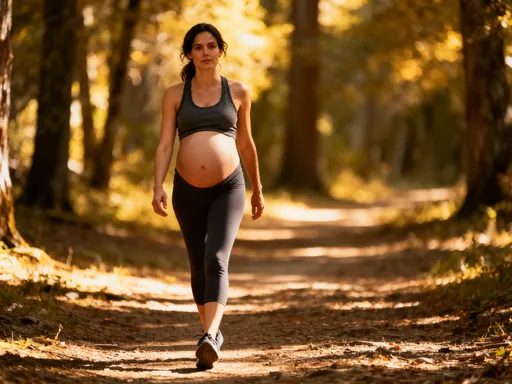
Not all forms of exercise are suitable during pregnancy, but several are not only safe but highly beneficial when performed correctly. Walking is one of the most accessible and effective activities — it requires no special equipment, can be done at any stage of pregnancy, and provides cardiovascular benefits without joint impact. Swimming and water aerobics are excellent alternatives, especially in later stages, as the buoyancy of water reduces pressure on the joints and supports body weight. Prenatal yoga promotes flexibility, balance, and relaxation, while also teaching breath control techniques useful during labor. Modified strength training, using light weights or resistance bands, helps maintain muscle tone and supports metabolic health.
Proper form and pacing are essential. Pregnant women should avoid exercises that involve lying flat on their back after the first trimester, as this position can compress the vena cava — a major blood vessel — and reduce blood return to the heart. Instead, side-lying or seated positions are safer for core work. High-impact activities like running or jumping may be continued by women who were already doing them pre-pregnancy, but should be modified or discontinued if they cause discomfort, pelvic pressure, or instability. Contact sports such as soccer or basketball carry a risk of abdominal trauma and are generally not recommended. Hot yoga or exercise in high-heat environments should also be avoided due to the risk of overheating, which can affect fetal development.
Listening to the body is the most important guideline. The “talk test” — being able to speak in full sentences while exercising — is a reliable way to monitor intensity. If breath becomes too labored to talk, it’s a sign to slow down. Women should also pay attention to warning signs such as dizziness, chest pain, vaginal bleeding, or regular contractions, and stop immediately if any occur. With medical approval, most women can safely engage in low-impact, moderate-intensity exercise most days of the week. The goal is not to push limits but to maintain strength, mobility, and well-being throughout pregnancy.
Energy, Mood, and Sleep: The Hidden Perks of Staying Active
While the physical benefits of exercise during pregnancy are well-documented, the emotional and mental advantages are equally significant — yet often overlooked. Hormonal fluctuations, physical discomfort, and the emotional weight of impending motherhood can lead to fatigue, anxiety, and disrupted sleep. Many women report feeling drained by midday, only to struggle with insomnia at night. Regular physical activity helps regulate these imbalances by stimulating the release of endorphins — natural brain chemicals that enhance mood and reduce stress. Studies have shown that women who engage in consistent, moderate exercise during pregnancy report lower levels of anxiety and depressive symptoms compared to those who are inactive.
Better circulation also plays a role in mental clarity and energy levels. When blood flows efficiently, the brain receives more oxygen, which supports cognitive function and reduces the “pregnancy brain” fog many women experience. Movement helps regulate the body’s internal clock, or circadian rhythm, making it easier to fall asleep and stay asleep. A woman who takes a 20-minute walk in the morning or practices gentle stretching before bed often finds that her sleep quality improves significantly. This creates a positive feedback loop: better rest leads to more energy, which makes it easier to stay active the next day.
Real-life experiences underscore these benefits. One mother shared that during her second trimester, persistent nausea and low motivation made it hard to leave the house. Her doctor suggested short, daily walks around the block. At first, she could only manage five minutes, but gradually increased to 20. Within two weeks, she noticed her appetite improved, her mood lifted, and she no longer felt overwhelmed by simple tasks. Another woman found that prenatal yoga helped her manage anxiety about labor, giving her a sense of control and calm. These stories reflect a broader truth: movement is not just physical maintenance — it’s emotional support in motion.
Preparing for Labor: How Fitness Can Support Delivery
Childbirth is one of the most physically demanding experiences a woman will ever go through, requiring strength, endurance, and mental focus. While no amount of exercise can guarantee a specific birth outcome, evidence suggests that women who remain active during pregnancy often experience labor more smoothly. A study published in the journal *Obstetrics & Gynecology* found that women who exercised regularly had shorter active labor phases and were less likely to require medical interventions such as cesarean sections or epidurals. This is not because exercise makes labor painless, but because it builds the physical and mental resilience needed to navigate it.
Several aspects of fitness contribute to labor readiness. Strong core and pelvic floor muscles provide better support during pushing and may reduce the risk of prolonged second-stage labor. Breath control techniques practiced in prenatal yoga or aerobic conditioning help women manage contractions with greater composure. Endurance gained through regular cardiovascular activity allows the body to sustain effort over time, which is crucial during long labors. Additionally, women who are physically active often have better body awareness, enabling them to shift positions more easily to find comfort and facilitate progress.
Insights from doulas and obstetricians reinforce this connection. Many observe that women who have stayed active tend to approach labor with more confidence and less fear. They are more likely to try different positions, move around during contractions, and advocate for their preferences. This sense of agency can positively influence the birth experience, even when complications arise. It’s important to note that fitness does not replace medical care — emergencies can happen regardless of physical condition — but it can enhance a woman’s ability to respond with strength and clarity. The goal is not to achieve perfection but to enter labor with a body that has been nurtured and prepared.
Making It Real: Building a Routine That Fits Your Life
Knowing the benefits of exercise is one thing; actually doing it every day is another. For women managing work, family, and the physical demands of pregnancy, finding time and energy to move can feel overwhelming. The good news is that consistency matters far more than intensity. Even 20 minutes of moderate activity most days of the week can make a meaningful difference. The key is to integrate movement into daily life in realistic, sustainable ways. This might mean stretching while waiting for the coffee to brew, taking a walk after dinner, or doing seated leg lifts during a phone call.
Common obstacles like morning sickness, fatigue, or lack of motivation can be addressed with small adjustments. During the first trimester, when nausea is common, gentle activities like slow walking or restorative yoga may be more tolerable than structured workouts. Later in pregnancy, when energy levels may dip again, breaking activity into shorter sessions — such as three 10-minute walks — can be just as effective as one longer session. Enlisting a partner, friend, or even a virtual support group can provide accountability and encouragement. Some women find that scheduling workouts like appointments — and treating them as non-negotiable self-care — helps them stay on track.
A sample weekly plan might include three days of 30-minute walks, two days of prenatal yoga, and one day of light strength training using resistance bands or body weight. The seventh day can be a rest or active recovery day with gentle stretching. This structure offers variety, prevents burnout, and allows flexibility based on how the woman feels each day. The focus should always be on how the movement makes her feel — energized, strong, calm — rather than on calories burned or miles logged. When exercise is framed as an act of care rather than a chore, it becomes easier to sustain.
After Baby: Why Starting Early Matters for Postpartum Recovery
The benefits of prenatal exercise extend well beyond delivery. Women who remained active during pregnancy often report an easier transition into postpartum life. Their bodies are better prepared to handle the physical demands of caring for a newborn — lifting, bending, and moving frequently throughout the day. More importantly, they tend to regain core strength and pelvic stability more quickly, reducing the risk of long-term issues such as diastasis recti (abdominal separation) or pelvic floor dysfunction. Research indicates that women who exercised during pregnancy are more likely to resume physical activity after birth, creating a positive cycle of long-term wellness.
Postpartum recovery is not just about returning to a pre-pregnancy body — it’s about restoring function, strength, and confidence. Those who maintained fitness during pregnancy often approach postpartum exercise with less fear and more knowledge. They understand how to listen to their bodies, recognize warning signs, and progress safely. Many find that the habits they built during pregnancy — such as daily walking or mindful movement — are easier to restart after birth, even with a newborn’s unpredictable schedule. Some begin with simple pelvic floor exercises (Kegels) and gentle stretching within days of delivery, gradually increasing activity as cleared by their healthcare provider.
Starting early doesn’t mean rushing. The postpartum period requires patience and self-compassion. However, having a foundation of strength and endurance makes it easier to meet the physical challenges of motherhood without breaking down. It also sets a powerful example for family life — showing children, even indirectly, that caring for one’s body is a lifelong commitment. The journey of movement during pregnancy is not just about preparing for birth; it’s about building a healthier, more resilient life for both mother and child.
Exercise during pregnancy isn’t about staying "in shape" — it’s about building strength, resilience, and confidence for one of life’s biggest transitions. With medical approval and mindful choices, movement becomes a powerful form of self-care. The journey isn’t perfect, but every step counts toward a healthier mom and baby.